The Sydney Morning Herald
Nick Ralston
December 5, 2025 — 2:29pm
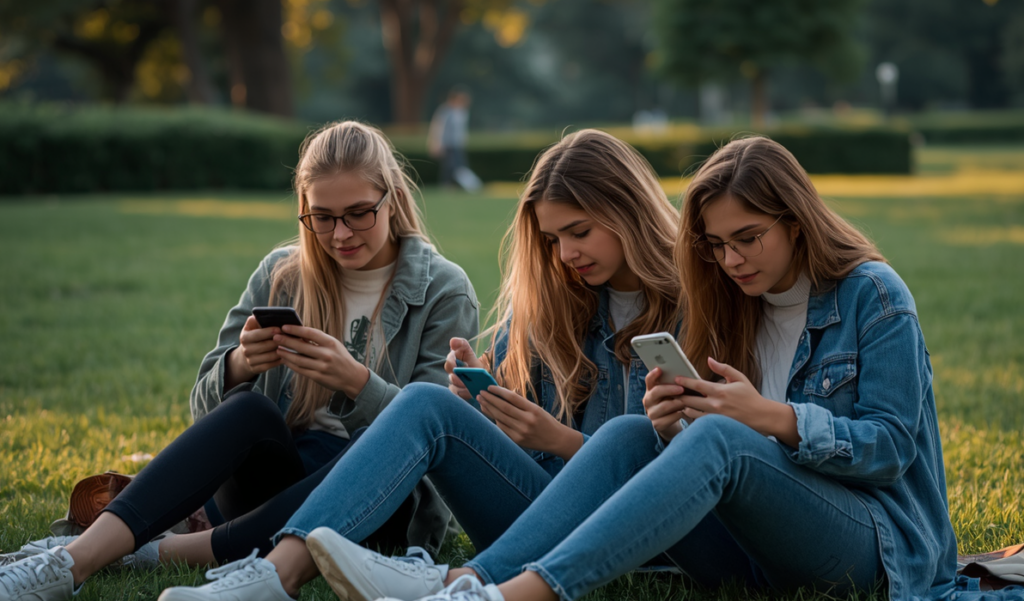
Eyes around the world are watching our teenagers and their phones as Australia becomes the first country to ban under-16s from popular social media apps such as Instagram, TikTok, Snapchat and Facebook.
The law doesn’t come into effect until next Wednesday, but we’ve already seen Meta’s Instagram and Facebook deactivating accounts. Other platforms, such as TikTok, Snapchat and Alphabet’s YouTube say they will comply in time.
Perhaps unsurprisingly, young people have already been telling us how they plan get around the ban, either by downloading similar apps not currently on the banned list, or by trying their luck with fake IDs.
The ban arose from a wide community push to protect young people from the harms of the digital world. Child rights advocates, however, warn that many teenagers and parents will be nervous about what lies ahead.
Terry Flew, a professor of digital communication and culture at the University of Sydney, says there is intense global interest in whether the ban succeeds and what impact it has.
“Many governments around the world are watching how the power of big tech was successfully taken on and are considering their own measures to address the adverse consequences of platform power,” he said.
Denmark’s minister for digital affairs, Caroline Stage Olsen, says she’s “super envious” of what Australia has been able to do. Oprah Winfrey used a speech in Sydney last night to praise it, saying it will “change the lives of an entire generation of kids who are going to have better lives”.
And polling since the policy was announced a year ago shows a majority of adults, particularly those who care for children, favour the move.
But how do the close to 1 million Australians aged between 13 and 15, who are the focus of the new rules, feel about being global guinea pigs in a bid to rein in big tech?
We’ve been speaking to teenagers across Sydney to get an understanding of how they are approaching the ban and their feelings about it. In short, they think everyone will find a way around it and insist no one wants it.
“We have grown up with this. I started social media when I was nine,” 15-year-old Charlize Carter told reporter Kayla Olaya. “No one in my grade wants it – it’s easier to communicate with others about their homework and classwork on social media,”
We will check in with those we’ve spoken to as the ban proper comes into place next week, and then again later on, to see the impact. We already have an insight as to what to expect in the coming days, thanks to federal political reporter Natassia Chrysanthos, who found a group of teens willing to give up social media for five days ahead of the ban.
Natassia’s article, published last month in Good Weekend, also provides an understanding of just how big a role social media plays with that generation – enlightening those of us whose teenage social lives were arranged on a phone in the kitchen with our parents eavesdropping.
For anyone confused about what under-16s can and cannot do after next Wednesday, I recommend bookmarking this social media ban 101, which is constantly being updated by our tech reporter Tim Biggs.
To read the full article clickhere